Type of Fatty Acid Key Fatty Acid Length Double Bonds Best Sources
Monounsaturated Omega-9 Oleic acid 18 carbons 1 Olive oil
Polyunsaturated Omega-6s Linoleic acid 18 carbons 2 Safflower, sunflower, Sesame, and Gragpesee Oils
Gamma-linolenic acid 18 carbons 3 Borage, Evening Primrose Oils
Arachidonic acid 20 carbons 4 Beef fat, Egg Yolk
Polyunsaturated Omega-3s Alpha-linolenic acid 18 carbons 3 Flax, Pumpkin, Hemp, Seeds and Walnuts
Eicosapentaenoic acid (EPA) 20 carbons 5 Fish oil
Docosahexaenoic acid (DHA) 22 carbons 6 Fish oil
Source: Adapted, Elson Haas
A person’s weight is a product of a variety of factors: hereditary, age, sex, the physical and emotional environment, lifestyle and its associated calorie demands, and the quality and quantity of the food consumed. Gaining or losing weight is far from a linear phenomenon.
Some ethnic groups are more efficient at hoarding calories than others, and some people even within the same family are born with naturally higher metabolic rates than others: for example, high-strung vata types have higher rates than lower-key kaphas. Age also plays a role, since metabolism slows down after the early growth years. With advancing age, body chemistry goes through a variety of hormonal and other adjustments. The volumes we could eat and drink as a teen and young adult does not work well later in life.
A person’s sex also plays a role: men lose weight in a more linear relationship to calorie intake than women; weight loss is generally easier for men, because of the way their metabolism works: Metabolism is a product of anabolism, building up, and catabolism, breaking down. For any given individual, these two forces are rarely in perfect balance. A man’s metabolism is tilted more toward catabolism, while a woman’s leans more toward anabolism. This helps explain why some women can actually gain weight on a calorie-restricted diet.
Climate, work conditions, and a person’s emotional state also play a role in how rapidly calories are burned. Even exercise can be self-defeating if the activity is disliked and viewed as stressful.1
Poor quality of food plays a role in weight gain:
- Refined foods hit the blood stream rapidly and, if not burned, are quickly converted to triglycerides;
- Fructose in the form of high fructose corn syrup disrupts insulin receptors and glucose metabolism. It is stored as fat more than any other type of sugar;2; and
- Trans fats depress metabolism and raise insulin levels.
A calorie of Wonder Bread is not metabolized in the same way as a calorie of kale, for example. Some foods require more energy for digestion than others. In contrast, whole foods satisfy, so we eat less.
Diets
The body’s natural survival mechanism can “undermine” a person’s efforts to lose weight: When a person goes on a low-calorie diet, the body reads the condition as a time of famine and begins to hoard calories. In the “starvation” mode, metabolism drops and the body makes every effort to use available calories in the most efficient way possible. So, dieting becomes can quickly become discouraging and self-defeating.
Strict diets are rigid and they tend to work against the enjoyment and pleasure that nature intended food to provide. We are inclined to rebel against a diet designed by others, especially if it does not fit with our tastes, preferences, and personal needs. Diet dictates also work against our innate programming for autonomy and independence, drives established at the earliest ages, and that particularly apparent when it comes to food. (Parents will certainly recognize this food voice, present in the youngest of children.)
We all need flexibility when it comes to food. What tastes good to us one day may not the next, so we need to be able to adapt our eating from day to day—as well as from year to year. A person may require more calories and more carbohydrates, for example, to make it through a day of difficult physical or mental work, and particularly if tired from being up late the night before. Exhaustion breeds cravings for sugar.
Food is information. When we pay attention, we can learn a great deal from what, how, where, and when we eat. Eating is always a creative new experience. Rigid diets are very “left-brain” and really belong to someone else. In that way alone, they are lifeless, stultifying, and suffocating.
Food is always an interesting adventure, an opportunity to experience a sense of gratitude, and an edifying experiment every time we eat. A weight loss diet is better replaced by a good, flexible dining program of chewing well, enjoying whole food and good company that leave us feeling satisfied both physically and emotionally, and then allowing the body “seek its own level.”
We will feel best if we eat wholesome foods and then allow your body to seek its own healthy weight. This alone can encourage rapid metabolism, good physical and mental energy, and weight loss.
“Weigh out” strategies:
Eat fresh, natural, whole, quality food for the life-force energy that it provides, and because good quality food helps boost metabolism and leave us feeling satisfied with less. In contrast, fractured, empty-calorie foods like refined flour, sugar, and vegetable oils do not satisfy and can leave us searching for more food to fill the void.
Chew. Chew every bite 25-30 times, and at every meal. This is easier said than done. It requires intention, attention, and practice. Get used to the way that food that is thoroughly chewed feels in the mouth. When we pay attention and appreciate our food, we eat less. Chewing gives us time to register satiety and to register the full experience of eating through chewing, tasting, and crunching to satisfy on many levels, and sooner. Chewing improves not only digestion, but also the absorption of nutrients. It also helps stimulate the flow of blood and oxygen to the brain.
Chewing is especially important for the digestion of carbohydrates since carbohydrate digestion starts in the mouth when starches are pulverized and mixed with salivary amylase. Carbohydrate digestion is then “on hold” for a prolonged period of time. It is only later, when starches move through the stomach to the upper part of the small intestine, when they meet up with pancreatic enzymes, that their digestion can continue. (Pepsin and hydrochloric acid in the stomach digest proteins, but not carbohydrates.)
Balance meals with adequate protein, carbohydrates, and fats. A meal is most satisfying if it includes a small amount of protein, whole-grain carbohydrates, quality fats, and vegetables and/or fruits of a variety of colors, particularly green and red-orange. Include plenty of “good” fats and high-quality foods.
Be flexible and vary foods, both with the seasons, and by emphasizing a variety of colored fruits and vegetables. Some days we are hungrier than others. What we need one day may be the product of what we ate and did the day before, as well as whether we got adequate sleep the night before. The lack of sleep can send a person looking for sugar and caffeine as a “quick fix.”
Drink plenty of water. Drinking water before, during, and after the meal can help digestion so that food does not get all “clumped up” in the stomach. Sometimes cravings, which we can easily misread as being for more food, are really messages that the body needs more water. Water, a yin substance, can help us feel lighter and more expanded. It is especially helpful to balance yang lifestyle factors such as stress and overwork, as well as contractive foods. Often drinking water will restore a sense of balance. As a general rule, try to drink about 8 glasses of water a day, but the amount will vary with the weather, the level of physical activity, and the type of foods eaten. Vegetables and fruits have high water contents, so a diet of relatively more plant foods would require less water than one that focuses more on contractive animal proteins. Sugars are also particularly dehydrating and require plentiful fluids.
Try to “fast” three hours before bedtime and throughout the nighttime hours. Digestive energy is actually at its peak in the late-morning hours, so it is best to eat your major protein meals early in the day and have at night a lighter supper of vegetables and grains. The body naturally cools down in the early evening hours and digestive fire is then at its lowest point. Natural biochemistry and bio-rhythms are attuned to expect a12-hour fasting period, from early evening to the next morning, a period when the digestive organs can rest and the liver can take over to cleanse the blood. The liver can perform this janitorial function only if we get out of its way. [See the Chinese Body Clock, Resource Graphic Section.]
Get some moderate exercise, fresh air, some sunshine when possible, and an adequate night’s sleep. Mediation and deep breathing can also relieve stress. These strategies help keep the body flexible and energized. They can also help keep your cortisol (a mental-acuity and a fat storage hormone) and energy levels high in the daytime and lower at night, as nature intended.
Avoid feeling guilty. We all make food mistakes, and we usually suffer when we do. There is no need to add guilt to the toll: We are punished not for our sins but by our sins. This is all information, and when we pay attention, we do better the next time.
Copyright 2010 Pathways4Health.org
Tags: Reference Tables and Charts
Comparison of Omega-6 and Omega-3 Ratios in Cooking and Salad Oils
Inflammation is a factor in pain and chronic disease. The omega composition of corn, safflower, and cottonseed is heavily weighted toward pro-inflammatory omega-6 oils. Corn, safflower, and cottonseed oils, as well as refined flour which is also inflammatory, are used extensively in processed foods. If you are concerned about inflammation, you may want to read the labels of packaged and processed foods carefully.
Oil Ratio of Omega-6 to Omega-3 (Ideal is 3:1 to 1:1)
Flaxseed 1/4:1
Butter, Grass-fed animals 1:1
Walnut 5:1
Soybean 7:1
Butter, commercial 9:1
Olive 11:1
Sunflower 19:1
Palm 46:1
Corn 72:1
Safflower 186:1
Cottonseed 234:1
Source: Pathways4Health April 2001 Newsletter, Derived from Mary Enig’s Know Your Fats
Note: These simply reflect omega-6 versus omega-3s. For a more complete picture and overview, see Table 2 that follows.
Tags: Reference Tables and Charts
Nut or Seed: Super-
Omega-3
(Table)Poly-
Omega-6
(Table)Mono-
Omega-9
(Low-Temp)
Saturated
(Cooking)
Lauric Acid
Flax 58 14 19 9 0
Olive 0 8 76 16 0
Coconut,unrefined 0 3 6 91 44
Palm Kernel 0 2 13 85 47
Sesame 0 45 42 13 0
Peanut 0 29 47 18 0
Rape (Canola) 7 30 54 7 0
Almond 0 17 78 5 0
Avocado 0 10 70 20 0
Safflower 0 75 13 12 0
Sunflower 0 65 23 12 0
Corn 0 59 24 17 0
Soybean 7 50 26 15 0
Pumpkin 7 50 34 9 0
Wheat Germ 5 50 25 18 0
Pecan 0 20 63 7 0
Cashew 0 6 70 18 0
Butter (grass-fed) 1.5 2.3 29 63 2.8
Plants as Adaptogens: First Plants…Then People.
“Phytonutrients are found in the cells of plants and provide protection from the damaging rays of the sun.1
“A phytochemical is a natural bioactive compound found in plant foods that works with nutrients and dietary fiber to protect against disease. Phytochemicals fight to protect your health. They can have complementary and overlapping mechanisms of action in the body, including antioxidant effect, modulation of detoxification enzymes, stimulation of the immune system, modulation of hormone metabolism, and antibacterial and antiviral effect.”2
“Plants have evolved many protective defenses against pests and infection in the form of phytonutrients. These defenses are better developed in organic foods because of selective adaptive pressures necessary to resist pests, infections, and variable climate conditions. Organic foods provides higher concentrations of protective detoxifying, antioxidant, and anti-inflammatory phytonutrients.”3
Plants have always stood at the frontier, adapting and changing to assure our own survival. At the beginning of life on the planet, the earliest plants entered the scene with little free oxygen in the atmosphere. In these early times, as plants took in carbon dioxide and gave off oxygen as a by-product of their own metabolic processes, they brought greater and greater levels of “pollution” to their environment.4
Today, plants continue at the frontier of change, able to transform themselves to assure our own well-being. They adapt to environmental conditions and to shifts in climate far faster than we can. As Ruth Grene suggests:
“One of the most crucial functions of plant cells is their ability to respond to fluctuations in their environment. Understanding the connections between a plant’s initial responses and the downstream events that constitute successful adjustment to its altered environment is one of the next grand challenges of plant biology.”5
Plants also adapt to local conditions: Plant foods in one local area of the world are uniquely suited to sustain human life in that same area. Tropical fruits give us a wonderful example of this: Cantaloupes, dates, figs, and bananas are loaded with sugar and potassium, a product of their intense exposure to the sun. In a theory offered by John Matsen, N.D., high levels of potassium and sugar send a message to the kidneys that the body is experiencing intense sun exposure (since tropical fruits grow in sun-drenched settings) and that the skin is making a lot of vitamin D. The kidneys then curtail their effort to activate vitamin D. This is one reason that eating tropical fruits in northern climates in the dead of winter can confuse the body and exacerbate vitamin D deficiency … something experienced by so many people, particularly in the winter months.6
Many herbs are powerful adaptogens.7 Throughout time, they have provided traditional cultures with healing and restorative tonics needed to survive harsh, threatening conditions associated with specific locations. Plants and herbs that grow in the wild and under rugged conditions are nutrient dense and generally more tonifying than plants grown in the controlled setting of commercial farms.
Rainbow Colors: Pigments Give Clues for Health and Vitality.
Phytonutrients are generally associated with a variety of plant pigments which give color…deep yellow, orange, red, green, blue, and purple… to fruits and vegetables. These colors signal the presence of rich phytonutrients. A variety of pigments are required to capture the sun’s full spectrum of light in all its rainbow colors. We might imagine these pigments as mini specialized factories, providing their own vast array of phytochemicals in a mystery that science may never unravel.
But let’s back up a minute. You probably recall from biology how pigment affects the color of plants: A leaf appears to us to be green in color because it reflects the green rays of UV sunlight, while absorbing the other colors (reds, oranges, yellows, blues and purples) of the spectrum.
Chlorophylls are the pigments involved in the process of photosynthesis.8 There are different types and each absorbs different colors of light along the red and blue part of the spectrum. Other compounds, like the brown, red/orange, and yellow carotenoids also play an important role. They work as complementary pigments that absorb colors that cannot be taken up by the chlorophylls, thus assuring that the full spectrum of sun energy can be utilized in the process of photosynthesis. How remarkable!… each pigment making its own unique sets of nutrients to benefit our health. As fall approaches and chlorophyll fades, we can truly appreciate in the vibrant reds, yellows, and oranges of autumn foliage, the unveiling of these complementary and essential pigments.9
Plant Sunscreens: Phytonutrients Protect Chlorophyll from the Sun’s Radiation.
Chlorophyll, along with its supplementary pigments, converts the sun’s energy into glucose, which becomes the building block of phytonutrients. But, as Lisa Ganor comments,
“Chlorophyll can’t work alone. Being a complicated molecule, it’s also quite delicate. It needs protection from the harsh UV rays in the sun’s energy spectrum. Too much ultraviolet, and photosynthesis begins to release an excess of damaging free radicals…
“The free radicals generated by strong UV light could destroy the sensitive chlorophyll, but they don’t; the plant has its own built-in antioxidants.”10
Carotenoids and perhaps other contributing pigments that we do not fully understand go to work to protect chlorophyll from free-radical damage, just as they perform this same function in our body, protecting our cell membranes and blood lipids from oxidation.
The Mystery of a Tomato
When we think of a tomato, we think of lycopene. But a simple tomato is estimated to contain over 10,00011 phytonutrients. While we may never understand everything about a tomato, we do know phytonutrients work in mysterious synergy with other nutrients and fiber. So far, a complete biochemical profile has been attempted on only very few fruits and vegetables.
Fortunately, of course, we do not have to understand to be in awe of the fractal patterns of a head of broccoli or the deep marbling art displayed by a sliced section of carrot or beet. We can just marvel at the pigments that capture the full spectrum of light and convert this light energy into an equally broad spectrum of life-giving protections and medicines that we can use for our own health and vitality.
Copyright 2010 Pathways4Health.org
Phytochemicals in Fruits and Vegetables12
Carotenoids
Carotenoids are the pigments responsible for the colors of many red, green, yellow and orange fruits and vegetables. Carotenoids are a large family of phytochemicals which include alpha-carotene, beta-carotene, lutein, lycopene, cryptoxanthin, canthaxanthin, zeaxanthin, and others.
Carotenoids protect the body by decreasing risk of heart disease, stroke, blindness, and certain types of cancer. They may also help to slow the aging process, reduce complications associated with diabetes, and improve lung function. Fruits and vegetables that are dark green, yellow, orange or red contain carotenoids.The following information describes four of the carotenoids.
Beta-Carotene
Beta-Carotene may help to slow the aging process, reduce the risk of certain types of cancer, improve lung function, and reduce complications associated with diabetes. Beta-carotene is found in yellow-orange fruits and vegetables such as mangoes, cantaloupe, apricots, papaya, kiwifruit, carrots, pumpkins, sweet potatoes, and winter squash, and green vegetables, such as broccoli, spinach, and kale.
Lutein
Lutein is essential for maintaining proper vision as we age. It has been shown to reduce the risk of cataracts and macular degeneration, the leading causes of blindness in older people and may help reduce the risk of certain types of cancer. Kale, spinach and collard greens contain the most lutein of any fruit or vegetable. Other sources of lutein include kiwifruit, broccoli, collard greens, brussels sprouts, swiss chard, and romaine lettuce.
Lycopene
Diets rich in lycopene have been shown to reduce the risk of prostate cancer and heart disease. Lycopene is found in red fruits and vegetables such as tomatoes and cooked tomato products, red peppers, pink grapefruit, watermelon.
Zeaxanthin
Zeaxanthin may help to prevent macular degeneration, which is the leading cause of visual impairment in people over 50. It may also help to prevent certain types of cancer. Corn, spinach, winter squash, and egg yolks contain zeaxanthin.
Flavonoids
Flavonoids are another large family of protective phytochemicals found in fruits and vegetables. Flavonoids, also called bioflavonoids, act as antioxidants. Antioxidants neutralize or inactivate highly unstable and extremely reactive molecules, called free radicals, that attack the cells of our body every day. Free radical damage is believed to contribute to a variety of health problems, including cancer, heart disease and aging. There are many different types of flavonoids and each appears to have protective health effects. Some of the better known flavonoids include resveratrol, anthocyanins, quercetin, hesperidin, tangeritin, kaempferol, myricetin, and apigenin. Flavonoids are found in a variety of foods, such as oranges, kiwifruit, grapefruit, tangerines, berries, apples, red grapes, red wine, broccoli, onions, and green tea. The five primary flavonoids found in fruits and vegetables are:
Resveratrol
Resveratrol may reduce the risk of heart disease, cancer, blood clots and stroke. Red grapes, red grape juice, and red wine contain resveratrol.
Anthocyanins
Anthocyanins, which are particularly high in blueberries, have been shown to protect against the signs of aging. In one study, elderly rats that ate the equivalent of a half-cup of blueberries daily for eight weeks improved balance, coordination, and short-term memory. Scientists think these results may apply to humans as well.
Anthocyanins in blueberries and cranberries have also been shown to help prevent urinary tract infections. Blueberries, cherries, strawberries, kiwifruit, and plums contain anthocyanins.
Quercetins
Quercetins may reduce inflammation associated with allergies, inhibit the growth of head and neck cancers, and protect the lungs from the harmful effects of pollutants and cigarette smoke. Apples, pears, cherries, grapes, onions, kale, broccoli, leaf lettuce, garlic, green tea, and red wine contain quercetins.
Hesperidin
Hesperidin is a flavonoid that may protect against heart disease. Hesperidin is found in citrus fruits and fruit juices, such as oranges and orange juice, grapefruit and grapefruit juice, tangerines, lemons, limes, mandarins, and tangelos.
Tangeritin
Tangeritin may help prevent cancers of the head and neck. Tangeritin is found in citrus fruits and their juices.
Phenolic Compounds
Phenolic compounds may reduce the risk of heart disease and certain types of cancer. Phenolic compounds may be found in berries, prunes, red grapes and red grape juice, kiwifruit, currants, apples and apple juice, and tomatoes.
Ellagic Acid
Ellagic acid is a phenolic compound that may reduce the risk of certain types of cancer and decrease cholesterol levels. Ellagic acid is found in red grapes, kiwifruit, blueberries, raspberries, strawberries, blackberries, and currants.
Sulphoraphane
Sulphoraphane is in a class of phytochemicals called isothiocyanates. Sulphoraphane may reduce the risk of colon cancer. Cruciferous vegetables such as broccoli sprouts, broccoli, cauliflower, kale, Brussels sprouts, cabbage, bok choy, collard greens, turnips and turnip greens contain sulphoraphane.
Limonene
Limonene is in a class of phytochemicals called mono-terpenes. It is found in the rinds and the edible white membranes of citrus fruits, such as oranges, grapefruit, tangerines, lemons and limes. Limonene may help to protect the lungs and reduce the risk of certain types of cancer.
Indoles
This family of phytochemicals may reduce the risk of certain types of cancer, including breast cancer. Indoles are found in cruciferous vegetables, such as broccoli, cauliflower, kale, brussels sprouts, cabbage, bok choy, collard greens, watercress, and turnips and turnip greens.
Allium Compounds
Allium compounds may reduce the risk of certain types of cancer and lower cholesterol and blood pressure. Garlic, onions, chives, leeks, and scallions contain allium compounds.
Fruits and Vegetables as a Rich Source of Phytonutrients[1]
Apples and apple juice contain phenolic compounds which may protect against heart disease.
Apricots (fresh and dried) contain beta-carotene which may help slow the aging process, reduce the risk of certain types of cancer, improve lung function, and reduce complications associated with diabetes.
Blackberries contain ellagic acid which may reduce the risk of certain forms of cancer and decrease cholesterol levels.
Blueberries contain anthocyanins which may protect against the effects of aging. Blueberries also contain ellagic acid which may reduce the risk of certain forms of cancer and decrease cholesterol levels.
Bok Choy contains a variety of phytochemicals including sulphoraphane and indoles.
Broccoli contains many different phytochemicals including sulphoraphane, indoles, beta-carotene, lutein, and quercetins. These phytochemicals may help slow the aging process, reduce the risk of certain types of cancer, improve lung function, protect against macular degeneration and cataracts, reduce inflammation associated with allergies, and reduce complications associated with diabetes.
Broccoli sprouts contain sulphoraphane which may reduce the risk of certain types of cancer.
Brussel sprouts contain a variety of phytochemicals including sulphoraphane and indoles. These phytochemicals may reduce the risk of certain types of cancer.
Cabbage contains a variety of phytochemicals including sulphoraphane and indoles. These phytochemicals may reduce the risk of certain types of cancer.
Cantaloupe contains beta-carotene which may help slow the aging process, reduce the risk of certain types of cancer, improve lung function, and reduce complications associated with diabetes.
Carrots contain beta-carotene which may help slow the aging process, reduce the risk of certain types of cancer, improve lung function, and reduce complications associated with diabetes.
Cauliflower contains a variety of phytochemicals including sulphoraphane and indoles. These phytochemicals may reduce the risk of certain types of cancer.
Cherries contain anthocyanins which may protect against the signs of aging. Cherries also contain quercetins which may reduce inflammation associated with allergies, inhibit the growth of head and neck tumors, and protect the lungs from the harmful effects of pollutants and cigarette smoke.
Chives contain allium compounds that may reduce the risk of certain forms of cancer and lower cholesterol and blood pressure.
Citrus fruits, such as oranges, grapefruits, and tangerines contain hesperidin and tangeritin which act as antioxidants to reduce the risk of heart disease and various types of cancer. Citrus fruits also contain limonene which may protect the lungs.
Collard greens contain lutein which may reduce the risk of cataracts and macular degeneration. Collard greens also contain indoles and sulphoraphane which may help decrease the risk of certain types of cancer.
Corn contains zeaxanthin which may help to prevent macular degeneration, which is the leading cause of visual impairment in people over 50.
Currants contain ellagic acid which may reduce the risk of certain forms of cancer and decrease cholesterol levels.
Garlic contains allium compounds which may reduce the risk of certain forms of cancers and lower cholesterol levels and blood pressure. Garlic also contains quercetins which may reduce inflammation associated with allergies, inhibit the growth of head and neck tumors, and protect the lungs from the harmful effects of pollutants and cigarette smoke.
Kale contains a variety of phytochemicals including beta carotene which may help slow the aging process, reduce the risk of certain types of cancer, improve lung function, and reduce complications associated with diabetes and lutein which may reduce the risk of cataracts and macular degeneration. Kale also contains indoles and sulphoraphane which may help decrease cancer risk and quercetins which may reduce inflammation associated with allergies, inhibit the growth of head and neck tumors, and protect the lungs from the harmful effects of pollutants and cigarette smoke.
Kiwifruit contains a variety of phytochemicals, including beta-carotene, lutein, anthocyanins, and ellagic acid. These phytochemicals may reduce the risk of heart disease, certain types of cancer, cataracts, and macular degeneration.
Leaf Lettuce contains quercetins which may reduce inflammation associated with allergies, inhibit the growth of head and neck tumors, and protect the lungs from the harmful effects of pollutants and cigarette smoke.
Leeks contain allium compounds which reduce the risk of certain forms of cancer and may lower cholesterol levels and blood pressure.
Mangoes contain beta-carotene which may help slow the aging process, reduce the risk of certain forms of cancer, improve lung function, and reduce complications associated with diabetes.
Onions contain allium compounds which may reduce the risk of certain forms of cancer and lower cholesterol levels and blood pressure. Onions also contain quercetins which may reduce inflammation associated with allergies, inhibit the growth of head and neck tumors, and protect the lungs from the harmful effects of pollutants and cigarette smoke.
Papaya contain beta-carotene which may help slow the aging process, reduce the risk of certain forms of cancer, improve lung function, and reduce complications associated with diabetes.
Pears contain quercetins which may reduce inflammation associated with allergies, inhibit the growth of head and neck tumors, and protect the lungs from the harmful effects of pollutants and cigarette smoke.
Pink grapefruit contains lycopene which may decrease risk for prostate cancer and heart disease. Pink grapefruit also contains hesperidin and tangeritin which act as antioxidants to reduce the risk of heart disease and various types of cancer as well as limonene which may protect the lungs.
Plums contain anthocyanins which may help protect against the signs of aging.
Prunes contain phenolic compounds which act as antioxidants that may prevent the loss of long-term memory and learning ability.
Pumpkins contain beta-carotene which may help slow the aging process, reduce the risk of certain types of cancer, improve lung function, and reduce complications associated with diabetes.
Raisins contain phenolic compounds that may act as powerful antioxidants to help slow the aging process.
Raspberries contain ellagic acid which may reduce the risk of certain forms of cancer and decrease cholesterol levels.
Red grapes and grape juice contain resveratrol and ellagic acid which may lower the risk of heart disease and certain forms of cancer.. Red grapes also contain quercetins which may reduce inflammation associated with allergies, inhibit the growth of head and neck tumors, and protect the lungs from the harmful effects of pollutants and cigarette smoke.
Red peppers contain lycopene which reduce the risk of prostate cancer and heart disease.
Romaine lettuce contains lutein which may reduce the risk of cataracts and macular degeneration, the leading causes of visual impairment in people over 50.
Scallions contain allium compounds which may reduce the risk of certain forms of cancer and lower cholesterol levels and blood pressure.
Spinach contains beta-carotene which may help slow the aging process, reduce the risk of certain types of cancer, improve lung function, and reduce complications associated with diabetes. Spinach also contains lutein and zeaxanthin which may help prevent blindness. People who eat lots of spinach have a decreased risk of cataracts and macular degeneration, the leading causes of visual impairment in people over 50.
Strawberries contain anthocyanins which may protect against the effects of aging. Strawberries also contain ellagic acid which may reduce the risk of certain forms of cancer and decrease cholesterol levels.
Sweet potatoes contain beta-carotene which may help slow the aging process, reduce the risk of certain types of cancer, improve lung function, and reduce complications associated with diabetes.
Swiss chard contains lutein which may reduce the risk of cataracts and macular degeneration. Swiss chard also contains indoles and sulphoraphane which may help decrease the risk of certain types of cancer.
Tomatoes and cooked tomato products contain lycopene which may decrease risk for prostate cancer and heart disease. Tomato products such as ketchup, tomato juice, and spaghetti sauce are some excellent sources of lycopene.
Turnips contain indoles and sulphoraphane which may help decrease the risk of certain types of cancer.
Watercress contains indoles and sulphoraphane which may help decrease the risk of certain types of cancer.
Watermelon contains lycopene which may decrease risk for prostate cancer and heart disease.
Winter squash contains beta-carotene which may help slow the aging process, reduce the risk of certain forms of cancer, improve lung function, and reduce complications associated with diabetes. Winter squash also contains zeaxanthin which may help to prevent macular degeneration, which is the leading cause of visual impairment in people over 50.
[1]Phytochemical; Another Good Reason to Eat Your Fruits & Vegetables., courtesy www.tonytantillo.com
- Phytonutrients/Phytochemicals: Live Long and Healthy; www.associatedcontent.com/article/11402 [↩]
- Phytochemicals; Another Good Reason to Eat Your Fruits & Vegetables, www.tonytantillo.com [↩]
- Mark Hyman, Alternative Therapies, Mar/Apr, 2010, 57. [↩]
- “Ever since the introduction of molecular oxygen (O-2) into our atmosphere, by O-2 evolving photosynthetic organisms, about two billion years ago, reactive oxygen intermediate (ROI) have been the unwelcome companion of aerobic metabolism. In contrast to O-2, these partially reduced or activated derivatives of oxygen are highly reactive and toxic, and can lead to the oxidative destruction of cells. Consequently, the evolution of all aerobic organisms has been dependent upon the development of efficient ROI-scavenging mechanisms. In recent years a new role of ROI was identified: the control and regulation of biological processes such as programmed cell death, hormonal signaling, stress responses, and development. These studies extend our understanding or ROI and suggest a dual role for ROI in plant biology: (a) Toxic byproducts of aerobic metabolism, and (b) Key regulators of metabolic and defense pathways.” Oxidative Stress in Plants, www.ag.unr.edu/mittler/oxistress.pdf.)) To survive, the heartiest, through evolution, began to produce antioxidants to give protection against reactive oxygen molecules. Plants that did survive the “toxic,” stultifying oxygen continued to evolve into the plants of today… not only able to cope with oxygen, but also, through their own biochemical defenses, to ward off bacteria, fungi, viruses, and damage to cell structure, and DNA. (( Molecular Expressions: The Photochemcial Collection, micro.magnet.fsu.edu./phytochemicals/index. [↩]
- Oxidative Stress and Acclimation Mechanisms in Plants, Ruth Grene, www.bioone.org. [↩]
- A theory put forth by John Matsen, ND, and quoted in The Whole Truth, by Andrea Beaman, 61 [↩]
- Adaptogens increase “the body’s resistance and endurance to a wide variety of adverse influences from physical, chemical, and biological stressors, assisting the body’s ability to cope and adapt.” The Herbal Medicine Maker’s Handbook, James Greer, 27. [↩]
- Chlorophyll a is primary , with supplementary chlorophylls aiding in the process. [↩]
- Modern Biology (1999), Albert Towle, 112-3. [↩]
- Lisa Ganor, New Life Journal, June-July, 2004. [↩]
- Paul Pitchford, Healing with Whole Foods, 9. [↩]
- Phytochemical; Another Good Reason to Eat Your Fruits & Vegetables., courtesy of www.tonytantillo.com [↩]
To understand fats requires knowing a little bit about their structure. When we can visualize this, we can appreciate why some fats are more stable and suitable for cooking. We can also appreciate the importance of omega-3 and omega-6 fatty acids: they are “essential” to obtain through foods since the body cannot itself make them.
Confusion about oils is partly from the postwar advertising efforts of the edible oil industry aimed to encourage us to shift from butter and other natural fats to their manufactured margarine and vegetable oils, as they tied cholesterol and saturated fats to chronic disease.1 But another source of confusion stems simply from the multiple names that are used for oils. Flax oil, for example, is called an omega-3, for example, but it is also known as a super-unsaturated polyunsaturated fatty acid (PUFA) and as alpha-linolenic acid(ALA). Labeling categories for lipids include:
- Saturated and unsaturated: monounsaturated, polyunsaturated, super-unsaturated;
- omega labels: -3,-6,-9;
- oleic, linoleic (LA), and alpha-linolenic acids(ALA); and
- hydrogenated and partially-hydrogenated trans fats.
Oils are labeled to correspond to their physical makeup. The format of the diagrams in the box below is meant as a simplified way to outline a lipid’s structure, showing just the carbon atoms and the placement of the double bonds in each. (The table omits the hydrogen atoms and the methyl and carboxyl ends). A saturated fat like butter is a simple 4 carbon molecule, in contrast to fragile omega oils with 18 carbons and double bonds starting as early as the third carbon from the omega (methyl) end.
Let’s clarify some labels….
Saturated versus Unsaturated. Fats with single bonds throughout are called saturated, while those with one or more double bonds are unsaturated. Saturated fats (fully saturated with hydrogens) are more stable since carbon and hydrogen atoms share electrons in lock-step, with each carbon linked to the next.
When a fatty acid is fully saturated, it interacts the least with other molecules in the body, and it provides the most stable structure. Saturated fats are helpful structurally because they help stabilize cell membranes, and they are not very susceptible to damage because they are primarily inert and noninteractive.2
Unsaturated oils are provide flexibility for cell membranes and are vital for intercellular communication but they are less stable since at a double bond, one pair of electrons is shared. Double bonds are vulnerable spots along an oil molecule that are subject to free-radical damage/oxidative stress. This is because an un-paired electron at a double bond invites free radicals wandering about the body and that are missing an electron to try to steal the single electron to form a new bond. Thus, unsaturated oils are more chemically active and reactive.
The Carbon Structure of Saturated and Unsaturated Fats and Oils
Butter…saturated. Butyric Acid (BA)…the easiest to digest saturated fat.
C-C-C-C. (no double bonds)
Omega-9s…monounsaturated. Oleic acid (OA)….the most stable unsaturated oil.:
C-C-C-C-C-C-C-C-C==C-C-C-C-C-C-C-C-C (one @ 9th carbon)
Omega-6s…polyunsaturated. Linoleic acid (LA)
C-C-C-C-C-C-C-C==C-C-C==C-C-C-C-C-C (two @ 6th & 9th)
Omega-3s…super-unsaturated. Alpha linolenic acid (LNA)…the most fragile unsaturated oil.
C-C-C-C-C-C-C==C-C-C==C-C-C==C-C-C (three, @ 3rd, 6th, 9th)
Oleic acid, linoleic acid (LA), and alpha-linoleic acid (ALA). Oleic means “from oil.” The names of oils get longer with the addition of more and more double bonds: oleic acid (omega-9), linoleic acid (omega-6), and alpha-linolenic acid (omega-3).
Why omega-3s and omega-6s are called essential fatty acids (EFAs). Plants and animals can use enzymes to insert double bonds into saturated fatty acid carbon chains in order to create unsaturated fats. Fats with multiple double bonds beginning at the 3rd omega position are vital to human life, particularly for electrical/cellular/neurological communication. In a fatty acid carbon molecule, plants are able to create double bonds as close as the 3rd and 6th carbon from the methyl (omega) end. In contrast, human enzymes can only create double bonds starting at the 7th carbon and beyond. Thus, plants supply us with omega-3 and omega-6 oils that are essential fatty acids (EFAs), vital building blocks for our health, that we cannot make ourselves. With plant-based omega-3s and -6s as raw materials, we use special enzymes to elongate and to desaturate these further, retooling them to serve a variety of critical sophisticated “electrical” functions…for brain activity, cell regulation, and nerve impulses. [EPA and DHA, vital for brain function, are not called “essential” because they can be made by the body from ALA—by healthy cells and with the proper co-factors: vitamins B3, B6, and C, and magnesium and zinc—something that cannot always be counted upon.]
Monounsaturated, polyunsaturated, and superunsaturated oils. Omega-3 oils are the most unsaturated plant-based EFA with double bonds that begin at the third position from the omega end and repeat after each set of three carbons. Thus, omega-3 fatty acids, with double bonds after the 3rd, 6th, and 9th carbons in its 18-carbon chain, are super-unsaturated and are the most flexible and the most vulnerable to oxidative damage of any of the unsaturated oils. Omega-6s have two double bonds after the 6th and 9th carbons and are called polyunsaturated oils. You may guess that omega-9s, like olive oil, are monounsaturated oils, with just one double bond after the 9th carbon.
The Reactive Nature of EFAs. The positions on omega-3 and -6 molecules at which double-bond occur are highly reactive, so they need to be used and stored with care (food manufactures often add BHA, and antioxidant, to prevent oxidative damage to packaged foods). With twice as much energy at double bonds than at other locations along the molecule,3 these EFAs are the building blocks for sophisticated neurological/electrical functions in the body. The table below, which shows the multiple double bonds of fish oil is a clear indication of both its importance of neurological function and also its fragility.
Type of Fatty Acid Key Fatty Acid Length Double Bonds Best Sources
Monounsaturated Omega-9 Oleic acid 18 carbons 1 Olive oil
Polyunsaturated Omega-6s Linoleic acid 18 carbons 2 Safflower, sunflower, Sesame, and Gragpesee Oils
Gamma-linolenic acid 18 carbons 3 Borage, Evening Primrose Oils
Arachidonic acid 20 carbons 4 Beef fat, Egg Yolk
Polyunsaturated Omega-3s Alpha-linolenic acid 18 carbons 3 Flax, Pumpkin, Hemp, Seeds and Walnuts
Eicosapentaenoic acid (EPA) 20 carbons 5 Fish oil
Docosahexaenoic acid (DHA) 22 carbons 6 Fish oil
Source: Adapted, Elson Haas
The Proper Omega-6/Omega-3 Balance.
“…ourbalance of omega-6 to omega-3 affects our health as much as any other aspect of dietary fat…Because the ratio of omega-6s to omega-3s helps determine the flexibility of cell membranes, nearly all chemical communication throughout the body depends at least in part on the correct balance between omega-6s and omega-3s. Within this context, it is difficult to imagine any health problem that isn’t partly related to the ratio of omega-6 to omega-3.”4
Table 1
Dominance of Omega-6s Versus Omega-3s in a Variety of Cooking and Salad Oils
Oil Ratio of Omega-6 to Omega-3 (Ideal is 3:1 to 1:1)
Flaxseed 1/4:1
Butter, Grass-fed animals 1:1
Walnut 5:1
Soybean 7:1
Butter, commercial 9:1
Olive 11:1
Sunflower 19:1
Palm 46:1
Corn 72:1
Safflower 186:1
Cottonseed 234:1
Source: Pathways4Health, Derived from Mary Enig’s Know Your Fats
Our forebears consumed a diet that was balanced with respect to omega-6 and omega-3 fatty acids, something around 1:1 to 3:1. But for today’s typical American, this ratio stands at 20:1. Our modern diet of processed, convenience foods is one factor that explains this shift, since food companies rely upon refined, white vegetable oils like corn, soy, and cottonseed—they are cheap and have a long shelf life. Another factor behind this shift is that many modern households have grown to fear healthy saturated fats like butter and unrefined coconut oil and have switched to inexpensive vegetable oils, often believing that they are a healthier choice, and perhaps, too, because they have a long shelf life. Looking at the table above, which outlines the omega-6/omega-3 ratios of a variety of oils, it is easy to see how this ratio could soar to 20:1. Corn, safflower, and cottonseed oils are frequent ingredients in salad dressings and other prepared foods, and their omega-6/-3 ratios range from 72:1 for corn to 234:1 for cottonseed oil.
The Complexity of Fats and Oils
To understand fats also requires an understanding of their complexity: No fat is totally saturated. Neither is any natural fat entirely unsaturated. Fats are blends of saturated, monounsaturated, and polyunsaturated fats. For example, most people think of olive oil as a monounsaturated omega-9 oil. In reality, its fat composition is three-quarters monounsaturated omega-9s, with 8% polyunsaturated omega-6s, and a rather significant 16% share in the form of saturated fats (see Table 2).
The information in Table 2 that follows is important since the makeup of oils has a direct bearing on health. Not only do omega-3s, -6s, and -9s perform different functions in our body, but also the mix tells us a lot about how they can be best and most safely used, especially in cooking.
Complexity of Lipids and Implications for Cooking and Health
Saturated fats like butter and unrefined coconut oil are the most stable and the best choices for cooking. Olive oil, with only one double bond, can be used with care at low temperatures and for water sauteing (Table 2).
Omega-3 and omega-6 oils are fragile and should never be used in high-temperature cooking. This is especially true of omega-3 oils, which are five times more fragile than omega-6s. These oils need to be protected from light, oxygen, and heat, all of which damages them. They quickly go rancid.
Coconut (and palm kernel) oil is not only stable, but is also extremely rich in lauric acid, a potent antimicrobial. These two facts make unrefined coconut oil my first choice for cooking. (Chicken fat is also high in lauric acid, a key to why at the first sign of a cold, we reach for the chicken soup.) Note that butter also offers some anti-bacterial protection, with its modest share of lauric acid. The Table 2 also shows that nature provided antibacterial protection for young infants, with a generous lauric acid component in mother’s milk.
Table 2: Composition of Nut and Seed Oils
(A Guide to Choosing Oils to Fight Inflammation)
Nut or Seed: Super-
Omega-3
(Table)Poly-
Omega-6
(Table)Mono-
Omega-9
(Low-Temp)
Saturated
(Cooking)
Lauric Acid
Flax 58 14 19 9 0
Olive 0 8 76 16 0
Coconut,unrefined 0 3 6 91 44
Palm Kernel 0 2 13 85 47
Sesame 0 45 42 13 0
Peanut 0 29 47 18 0
Rape (Canola) 7 30 54 7 0
Almond 0 17 78 5 0
Avocado 0 10 70 20 0
Safflower 0 75 13 12 0
Sunflower 0 65 23 12 0
Corn 0 59 24 17 0
Soybean 7 50 26 15 0
Pumpkin 7 50 34 9 0
Wheat Germ 5 50 25 18 0
Pecan 0 20 63 7 0
Cashew 0 6 70 18 0
Butter (grass-fed) 1.5 2.3 29 63 2.8
Source: Udo Eramus and Pathways4Health
Supermarket vegetable oils (corn, safflower, canola) bottled in clear glass are best left on the grocery store shelf. Refined oils do not promote health and should not be used in cooking. Processed in huge factories, these cheap oils have been damaged by light, oxygen, and heat. They are exposed to light and oxygen throughout the extraction process, as well as to toxic solvents like benzene. Heat used in extraction breaks apart the carbon bonds, setting loose free radicals. Oils are then “deodorized” at temperatures as high as 500 degrees to give them a “pure” appearance.5 The result is “white” oils that are stripped of anti-oxidants and other nutrients…similar to sugar and white flour, but with the added risks associated with free radical oxidative damage.
Frying at high temperatures does create a variety of toxic breakdown products but these are not the same as trans fats. Trans fats are created by a special chemical catalytic process (hydrogenation) that involves high temperature and pressure and the presence of limestone elements for filtration.6
The “Cold-pressed” label on standard vegetable oils has been abused. This label has not been “regulated” since the Federal government has never agreed on a definition for “cold-pressed” oils. Manufacturers have freely taken advantage of this. It is true that much of the extraction process with modern presses does not require the application of external heat (except to derive the last 10% of yield). But, extraction itself does involve heat that builds up from the normal friction and pressure of the pressing process (well above 200 degrees in large presses). Even if manufacturers can try to claim that their oils were pressed without heat, their advertising ignores the extreme heats used in the refining process, both before (the cooking stage prior to pressing, with average temperatures of 250 degrees) and after pressing (during the deodorizing process when oils are heated to close to 500 degrees for a period of six to eight hours.).7 Look for the words “unrefined” on the label of all oils.
Every good fat and oil has its own strong points for health:
Butter is a short-chain triglyceride (SCT) saturated fatty acid that is very stable. Since it is digested and absorbed easily, it as a quick source of heat and energy (a good choice for the athlete and people who feel cold). It helps strengthen the immune system and has anti-microbial and anti-fungal properties. This is especially true of ghee (clarified butter), which is known for its healing powers. Butter from grass-fed animals is the best readily-available source of the fat-soluble vitamins A, D, E, and K, and carries these to the body in a form that is very easy to absorb and assimilate. These vitamins help with the absorption of a host of minerals that are vital for healthy bones and for the proper functioning of the nervous and reproductive systems. Buy organic, non-salted (this is how you know it is fresh) butter from grass-fed cows.
Unrefined coconut oil is a stable (it is 92% saturated) cholesterol-free oil—since it is a plant-based (plants have no liver to make cholesterol). Its high natural saturation, nature’s way of keeping coconut leaves stiff in tropical climates, adds to its value as a cooking oil in our own temperate environment. Unlike vegetable oils which are long-chain triglycerides (LCT), coconut oil is a medium-chain triglyceride (MCT). SCTs like butter and MCTs like coconut and palm kernel oil can be absorbed directly into the blood stream through the walls of the small intestine to be used as quick energy. In contrast, long-chain triglycerides (LCTs) like vegetable oils must first be converted to triglycerides in the intestine and then packaged for transport. LCTs, conveyed via chylomicrons, stay in the blood stream longer than SCTs and MCTs, to be deposited as fat when not needed. Because MCTs are utilized quickly much like carbohydrates, they help to boost metabolism while they also quickly satisfy hunger pangs. Some believe that coconut oil also contains fewer calories than any other fat.8 Coconut oil’s bad name seems undeserved: it has antimicrobial powers and is the most cancer-reducing of all the fats.((Enig,81)) Be sure to purchase unrefined coconut oil that is free of hydrogenation.
Olive oil is a monounsaturated, omega-9 oil that can help lower cholesterol. It is liquid at room temperature and becomes cloudy when refrigerated. Its health benefits make it a good choice, particularly when it is used with foods that have already been cooked. Be sure to choose oil olive that is labeled “Extra Virgin, First Cold Pressing” (to assure chemical solvents and heat have not been used in the extraction process) and that is bottled in dark glass (to prevent oxidation). Keep in a cabinet when not in use to prevent free-radical damage.
Omega-6 oils are polyunsaturated oils that are too fragile for cooking, but that are vital to health (an EFA that the body must get through foods). They are especially important for proper functioning of the heart, liver, kidney, and reproductive organs, for hair and skin, for growth and behavior, and for the proper functioning of the immune system, as well as for wound healing (the inflammatory response). Omega-6 oils are fragile and are best used at the table, not for cooking.
Omega-3 oils, also EFAs, are super-unsaturated, with an extra double bond that makes them very fragile and reactive, never to be used in cooking, and yet vital to health in its own unique roles. Omega-3s are especially associated with proper brain function, mood and depression, behavior, vision, and motor coordination. They work on the opposite side of the spectrum when it comes to inflammation: they perform an anti-inflammatory role to give balance to a diet that includes pro-inflammatory omega-6 oils. Most experts believe an ideal ratio of omega-6s:omega-3 is somewhere between 3:1 and 1:1.
Three Simple Rules for Using Oils:9
- Use only unrefined oils. Refined oils are stripped of vital nutrients and antioxidants. All things that could make it taste rancid are removed so it cannot go rancid and you will have no clue as it is age. These are hidden in many prepared foods, including those that comply with FDA labeling requirements.
- Avoid hydrogenated and partially-hydrogenated oils. These are hidden in many unlabeled prepared foods.
- Choose only polyunsaturated oils that are pressed without exposure to light, heat, and oxygen.
Copyright 2010 Pathways4Health.org
- As Mary Enig points out, this idea was created in the 1950s to protect the margarine and shortening industries who were coming under attack by scientists who linked hydrogenation with heart disease. [↩]
- Elson Haas, Staying Healthy With Nutrition, 65 [↩]
- Haas,67 [↩]
- Haas,68 [↩]
- Edo Eramus, Fats that Heal, Fats that Kill, 96-7 [↩]
- Enig, 279,271 [↩]
- Eramus, 141-3 [↩]
- Bruce Fife, “The Fat that Can Make You Thin,” Well-Being Journal, March/April, 2010, 20 [↩]
- Paul Pitchford, speech to IIN, April, 2007 [↩]
Fats play an important role in weight loss, particularly by making us feel satisfied at the end of a meal. This is intuitive and empirical. And, there are a host of interesting concepts that come from the science lab that support the idea of using healthy, saturated fats for weight loss. Good fats not only boost metabolism, but also immune function, and they assist in the absorption of minerals.
Another important concept from the science lab is to eat enough calories to prevent your body from going into “starvation mode.” The body requires somewhere between 1000-1800 calories a day just to maintain itself. This minimum level is required for the normal function of the body. When calorie intake drops below this minimum level, a bell signaling famine goes off, telling the body to hoard calories. This mechanism seems especially active in women, perhaps as a safety for reproduction. When this occurs, calorie restriction becomes self-defeating. A drop in metabolism also means quick weight gain when a person returns to a normal calorie intact. Good fats help boost metabolism, create satiety, stabilize blood sugar, and help you “stay the course.”
Fat facts from the science lab:
- Coconut oil boosts metabolism. As a medium-chain triglyceride (MCT), coconut oil is metabolized more quickly than vegetable oils. MCTs are absorbed directly from the digestive tract into the blood stream without having to be transported by the lymph system to the liver. Vegetable oils, in contrast, are long-chain triglycerides (LCT) which circulate in the blood stream and, if not needed for energy, can readily be deposited as fat. 1 Coconut oil is burned at a rate three times faster than other fats.2 Part of the reason for this relates to the high lauric acid content of coconut oil. Lauric acid, an effective antimicrobial, accounts for half of the content of coconut oil, and it is the most rapidly utilized of all the fatty acids. By boosting metabolism, coconut oil raises body temperature, metabolic rate, energy and a sense of well-being. Because it is stable, it can be a good choice for cooking, particularly for anyone with a slow metabolism or is hypothytoid. At the same time, coconut oil is limited by the fact that it contains no essential fatty acids (EFAs), and unlike butter from grass-fed animals, it is not a source of fat-soluble vitamins, so it is best used as a complementary fat in the diet. 3.
- Butter is a short-chain triglyceride (SCT) with just 4 carbons (coconut oil as a MCT with fatty acid components of between 6 and 12 carbon molecules). Short and medium chain fatty acids have fewer calories than longer chain (18 carbon) vegetable oils and, as mentioned, they are metabolized quickly rather than being as readily stored as fat. Butter from grass-fed animals is a powerful antimicrobial, with the proper balance of omega-3s and -6s, as well as being a source of a variety of trace minerals, including selenium. Butterfat also contains conjugated linoleic acid (CLA) which helps to fight cancer.4 Butter from grass-fed animals is rich in the fat-soluble vitamins, A, D, E, and K, particularly vitamin A and also vitamin D, making butter a more balanced, nutritious fat than coconut oil.
- Cod liver oil, high in vitamins A and D, is also helpful for weight loss. It provides necessary vitamin D to help the body utilize insulin. Vitamin A helps adrenal function and aides diabetics, who are not able to utilize beta carotene in foods. Fish oils are high in EPA and DHA, which are precursors of prostaglandins that help regulate metabolism.
- Fats in the small intestine help silence hunger pangs. The body reacts to fat in the small intestine by releasing hormones that quiet hunger contractions.
- Non-dairy sources of calcium stimulate weight loss. (Seaweeds, along with green vegetables are a good choice. Seaweeds are the highest source of calcium and, due to their high levels of iodine, they also help boost thyroid function.)
- Trans fats, like vegetable oils but even more so, are best avoided. Trans fats, not only disrupt the normal biochemistry of the body, but they also play havoc with weight loss. Trans fats depress metabolism and foster diabetes. Holding calories constant, people gain more weight on diets that include trans fats. Trans fats affect adipose cell size because they are packed in cells less tightly than saturated fats.
Sources:
Mary Enig, Know Your Fats
Sally Fallon, Nourishing Traditions
Mary Enig and Sally Fallon, Eat Fat to Lose Fat
Mary Enig and Sally Fallon, Dangers of Statin Drugs
Paul Pitchford, Healing with Whole Foods
Udo Eramus, Fats that Kill, Fats that Heal
Ronald Schmid, Traditional Foods are Your Best Medicine
Copyright Pathways4Health.org
- Udo Eramus, Fats that Heal, Fats that Kill, 309. [↩]
- Mary Enig and Sally Fallon, Eat Fat to Lose Fat. [↩]
- Also, if you are concerned about cholesterol (about which I have reservations) lauric acid may actually raise total cholesterol and LDL cholesterol levels…Elson Haas, 65 [↩]
- Sally Fallon, Nourishing Traditions, 15. [↩]
To make “clear, sparkling” supermarket vegetable oils (corn, canola, safflower, etc.) seed oils are first stripped of vital nutrients, such as lecithin, chlorophyll, vitamin E, beta carotene, calcium, magnesium, iron, copper, and phosphorus and then deodorized at high temperatures, approaching 500 degrees. There is nothing left to taste and nothing to go rancid. Almost all restaurants use these refined white oils due to their long shelf life. But, because they are missing nutrients, it is hard for the body to break them down. Cancer can be a direct result of bad fatty acid metabolism.1 Trans fats are unsaturated oils whose natural bent (cis-shape) structure has been altered and straightened (to a trans-shape), by high temperatures, pressure, and a limestone catalyst. In its natural cis-shape, an unsaturated oil’s hydrogen atoms lie on the same side of the double bond and repel each other, which creates a slight bend in the carbon chain, as well as an important electron cloud (vital to high-order energy and electric processes) at the site of the double bond.2 High temperatures flip the hydrogens to opposite sides of the carbon molecule, straightening its structure and diffusing its original life-giving force.
This slight change to a straighter trans-shape dramatically alters its character, its capacity for vital functions, and its effect on health. Trans fats block the efficient deployment of EFAs. This has important implications for cancer and the immune system. Because trans fats almost fit, they fool the body and interfere in many other ways, especially with enzyme activity and the building and function of cell membrane structures. They alter cell permeability, jeopardizing cell integrity and function. Since trans fats have a higher melting point and are thus “sticky” they foster platelet aggregation, encouraging blood clotting and strokes. Trans fats also interfere with complex and intricate neurological electrical energy and cellular communication activity throughout the body.
Trans fats, then, are synthetic fats that cannot be metabolized properly and foster chronic disease. Trans fats raise insulin levels (tied to obesity, diabetes, degenerative disease); lower immune response and HDL cholesterol; contribute to Alzheimer’s, osteoporosis, arthritis, and aging.3 Trans fats “interfere with enzyme systems in the body. These disrupt enzymes (delta-6 desaturase) that convert omega-3s and -6s to elongated forms for sophisticated neurological and biochemical processes. They also disarm enzymes that make carcinogens harmless while they increase enzymes that make carcinogens more toxic.”4 Thus, they are a major cause of cancer.
Copyright 2010 Pathways4Health.org
To read this newsletter in its .pdf form, click here to download the file: March 2010 Newsletter. Thank you.
In this newsletter…
- Bones and Beans
- Bones and Meat
- Cooking with Bones
- Traditional Recipes from the Original Fanny Farmer 1896 Cookbook
- Contemporary Versions of Classic Favorites
- Reading and Shopping Resources
At this season, the sun awakens us from our winter slumbers long before the weather obliges. The full hour of daylight gained in each of the months February and March is good reason to grow impatient for spring. At this time of year, I have to remind myself that six-eight weeks of cold, disappointing, rainy weather still lie ahead.
Because I enjoy cooking—and the special feeling and aromas that only long-simmering winter soups and stews can bring—part of me is glad that we still expect indoor days. I am not yet ready to give up the pleasures of hearty winter cooking. I hope that you will enjoy some of the diverse recipes in this newsletter, that they might bring pleasure and lift the spirits of your family on the dreary spring days ahead.
* * * * * *
Life is a gift of nature; but beautiful living is the gift of wisdom …Greek Adage
Read this newsletter in its .pdf form (click here) or continue below…
Tags: Reference Tables and Charts
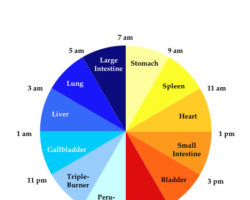
The Body-Energy Clock is built upon the concept of the cyclical ebb and flow of energy throughout the body. During a 24-hour period (see diagram that follows) Qi moves in two-hour intervals through the organ systems. During sleep, Qi draws inward to restore the body. This phase is completed between 1 and 3 a.m., when the liver cleanses the blood and performs a myriad of functions that set the stage for Qi moving outward again.
In the 12-hour period following the peak functioning of the liver—from 3 a.m. onward—energy cycles to the organs associated with daily activity, digestion and elimination: the lungs, large intestine, stomach/pancreas, heart, small intestine. By mid-afternoon, energy again moves inward to support internal organs associated with restoring and maintaining the system. The purpose is to move fluids and heat, as well as to filter and cleanse—by the pericardium, triple burner (coordinates water functions and temperature), bladder/kidneys and the liver.
Lessons Based on the Body Clock
When one organ is at its peak energy, the organ at the opposite side of the clock, 12 hours away, is at its lowest ebb. For example, between 1-3 a.m., the liver reaches its peak, doing its work to cleanse the blood, while the small intestine, the organ responsible for the absorption and assimilation of many key nutrients, is at its ebb. What does this tell us? Principally, that it must be taxing to the system to deal with late night meals and snacking. The body is not programmed to accommodate the modern habit of late-night screen-based stimulation and the eating habits that go with it. When we eat late at night, food is not well absorbed by the small intestine and the liver has little opportunity to do its job of housekeeping.
The idea, then, is to try when you can to plan daily activity around an organ system’s peak energy, while avoiding actions that can tax a system when its energy is at its lowest ebb. Think of lifestyle habits you might modify in order to better synchronize your system’s energy ebbs and flows:
- Lungs: With the lungs at their peak energy in the early morning, you might want to schedule aerobic exercise at this time rather than later in the day. And, if you must speak through the long work day, presentations given earlier in the day benefit from greater lung energy. Laryngitis can set in late afternoon when lung energy is depleted .
- Large Intestine: To get the day off to a good start, give yourself enough time early in the morning to honor the normal elimination function of the large intestine.
- Stomach/Pancreas/Small Intestine: Try to eat heavier meals early in the day—at breakfast when the stomach is at its peak, and at lunch, to catch Qi’s expanding/warming energy as it crests at midday. Eating larger meals of the day early delivers nourishment to the small intestine when it is strongest, which aids absorption and assimilation.
- Kidneys: The kidneys are aligned with the adrenals, the glands that produce cortisol to help us spring out of bed in the morning. Early morning, from 5 a.m.-7 a.m., is when kidney energy is weakest—a reason that people with depleted kidney energy often have trouble waking up to a new day.
- Liver: The liver stores and cleanses the blood, a fact that becomes more interesting as we consider personal experience. Have you ever partied too much in the evening, and awakened in the wee hours of the morning feeling “off” and unable to fall back to sleep? Chances are good that you were tossing and turning between the hours of 1 a.m. and 3 a.m. when your alcohol over-loaded liver was struggling to do its work. The timing of the liver’s peak activity also speaks to consuming the last meal of the day as early as possible. The liver’s daily programming assumes an early dinner and bedtime. Before electricity and the light bulb, people ate super and retired early, allowing time for the last meal of the day to digest so that the liver could be most effective in its peak hours of activity. The “work shift” of the liver, then, reinforces the concept of making the last meal of the day a light one that is consumed on the early side. The more time that passes after food is eaten before peak activity of the liver, the better the liver will be able to carry out its myriad of functions.
subscribe
You can subscribe to the Pathways4Health newsletters in two ways. The first, via e-mail:
The second, via RSS. What is RSS?
archived newsletters
May/June 2012: A Chicken, With Gratitude—the Food Chain and the Hidden Dangers of Soy
March/April 2012: Welcoming Spring, Attuning to Spring
Jan/Feb 2012: Vitamin D…In Winter and Throughout the Year
November/December 2011: Salt, The Essential Gift from the Sea
September/October 2011: Gift from the Sea…Sea Vegetables
July/August 2011: Summer Shorts and Skinny Dips
June 2011: Lightening Up This Summer–For a Healthier Liver
May 2011: Monitoring Metabolic Stress
April 2011: Controlling Blood Sugar
March 2011: Barcodes and Health
February 2011: Attuned to Winter
January2011: Rediscovering Breakfast
December 2010: Stress, Sleep, and the Cortisol Connection
November 2010: Living by the Clock
October 2010: Signatures of Foods
Read more from the archives...
search all material
websites to visit
Eat Wild
Ellen's Food and Soul
Enviromental Working Group
Epicurious
Local Harvest
Natural Gourmet Institute
PubMed.gov
The Weston A. Price Foundation